“Within this movement, everything we touch we change” – Octavia Butler
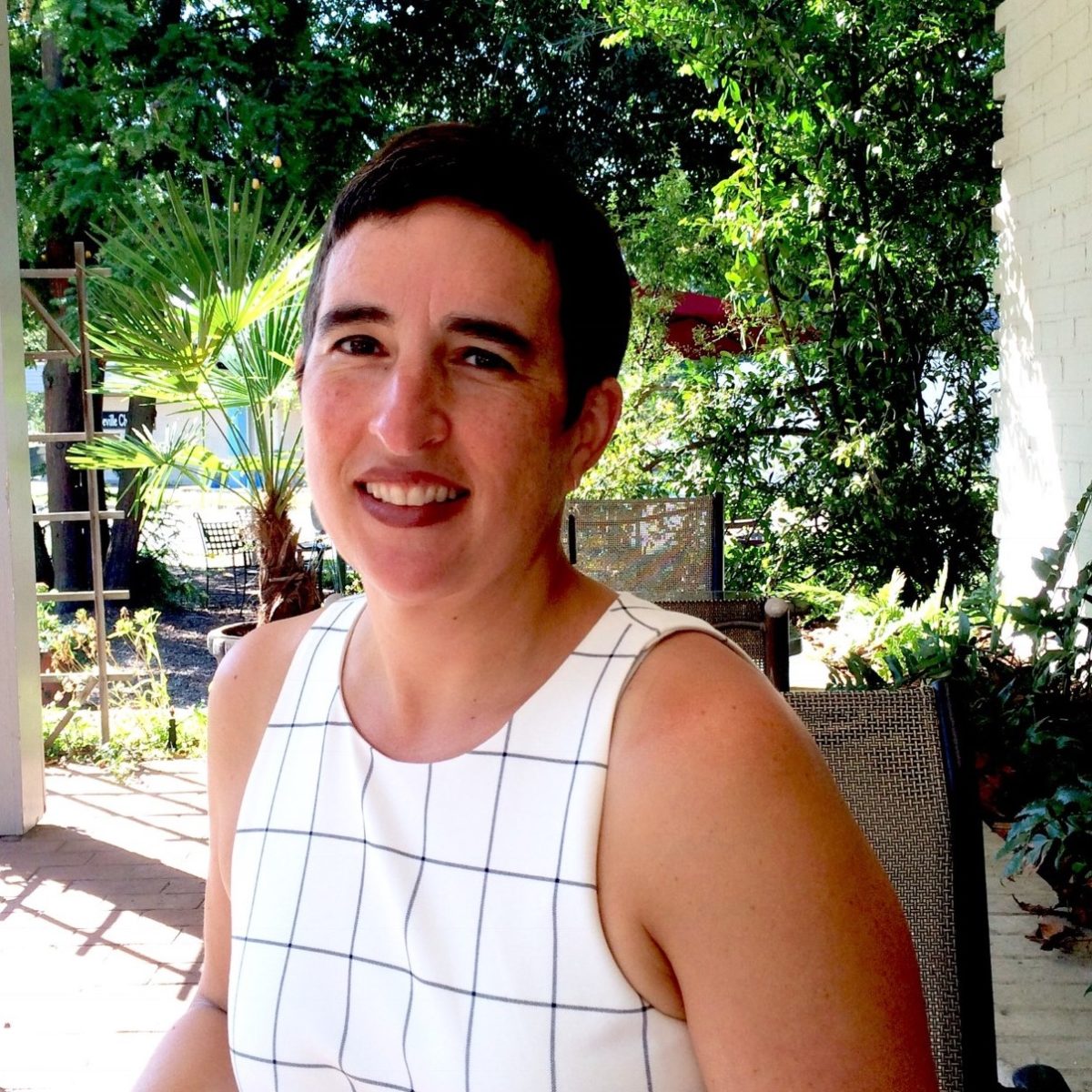
In our webinar on Social Work leadership during uncertain times, we were joined by Monica Kearney, MSW, Executive Director of Safe Space, a non-profit organization committed to reducing relationship violence and sexual assault in Franklin County, North Carolina. Safe Space provides a shelter for those who have experienced intimate partner violence, a 24-hour crisis hotline to support victims of domestic violence, and a thrift store that supports the mission-driven efforts of the organization.
Monica spoke about the role of nonprofit leaders in driving change and the importance of recognizing how trauma impacts both staff and the organization amid the American carnage. She drew on training by Patricia Vivian Long, which emphasized that organizational trauma—like sudden leadership changes—can mirror individual trauma. Leaders must learn to identify this harm and support staff through the stress it creates.
Moreover, oppression can also happen within the culture of the organization, through its policies and procedures. When identified, leaders need to allow themselves and staff space for self-care. In an organization like Safe Space that provides micro-level social work, staff at the organization may experience secondary or vicarious trauma as a result of regularly supporting clients who face intense personal crises.
Monica takes a systematic approach to addressing organizational trauma at Safe Space in the context of a wellness-driven leadership style. The strategies include identifying and assessing individual wellness, agency culture, job satisfaction, communication, peer relationships, and burnout/vicarious trauma. For Monica, it starts with asking, “Are people happy at work, and why or why not?” Investing in team well-being and self-care is essential to sustaining the transformative work of Safe Space. Leaders play a critical role in responding to an organization’s strengths and weaknesses amid organizational trauma and its impact on those we supervise. By recognizing burnout and stress, leaders can support staff using a trauma-informed approach grounded in safety, trust, support, collaboration, and empowerment.
As social work leaders, it’s essential to lead with a trauma-informed and equity-minded lens. At Safe Space, supportive policies—like giving staff every third Friday off—help maintain employee well-being and demonstrate an internal commitment of the organization to the well-being of its team, whose efforts will then align with the mission. Guided by servant and transformational leadership, the organization fosters growth and has low staff turnover. Monica’s key takeaway echoes Octavia Butler: “Everything you touch, you change and everything you change changes you.”
You can view Monica’s full remarks here: Video Remarks from Hive Webinar Series: Social Work Leadership

Monica Kearney has been the Executive Director of Safe Space, Inc. Domestic Violence/Sexual Assault services agency in Franklin County since 2014. She holds a Bachelor’s degree in Social Work from the University of North Carolina at Greensboro and a Master’s Degree in Social Work from the University of New England. Monica is currently pursuing a Ph.D. in Social Work from Walden University. Monica has over twenty years of experience in the social work profession. Her roles have included nonprofit management, early childhood education, outreach, and community education.