
• Skip to main content
  • Skip to footer

The Jordan Institute for Families

The UNC School of Social Work

  • About
    • Legacy
    • Approach
    • Team
    • Advisory Group
    • Donate
    • Contact Us
  • Research
    • NC Caregiving Research Network
    • Indicators for Success
    • Maternal and Child Home Visiting
    • Early Childhood Systems
    • Increasing Family Wealth through EITC
  • Initiatives
    • The Fellowship for Social Work Leaders
    • The 4th Trimester Project
  • Convenings
    • The Future We Shape Together: Real Solutions for Families in Changing Times – 2026
    • Wicked Problems in Child Welfare Institute – 2024
    • NC Child Fatality Prevention
    • Implementation Practice
  • News & Events
    • Newsletter
    • Notes from the Field

Subscribe to Updates from JIF

Stay up to date on the latest programs, research, news, and events at JIF by subscribing to our newsletter!

This field is for validation purposes and should be left unchanged.
Email(Required)
Name

Search The Jordan Institute for Families

The Relevance of Dialectical Behavioral Therapy to Trauma Work

All Events

Past event

  • When February 15, 2018, 8:30 am – February 16, 2018, 4:30 pm
  • Where UNC School of Social Work
    Tate-Turner-Kuralt Building - 325 Pittsboro St #3550, Chapel Hill, NC, 27516
    View map
  • Hosted by The Jordan Institute for Families
  • Cost $345

Individuals who have experienced trauma, particularly complex trauma, often present with a wide range of difficulties that do not fit neatly into standard or uniform case formulations. Dialectical behavioral therapy (DBT) offers an effective transdiagnostic treatment for the sequelae of trauma, that can include dysregulation of emotions, cognitions, behavior, interpersonal and self. The power of DBT comes from its well-articulated theory, protocol, and multiple strategies that allow for thoughtful and genuine therapeutic collaboration, and its simultaneous embrace of acceptance-validation and cognitive-behavioral change strategies. DBT has been found to be effective in helping people who experience intense emotional suffering and maladaptive coping skills to “create a life that’s worth living.”

In this workshop, Debbie and Robin will introduce the foundational knowledge of DBT and demonstrate how to apply DBT to work with a heterogeneous and complex population of individuals, including individuals with complex trauma histories. They will review empirical support for DBT, introduce core principles of DBT treatment, the assumptions and agreements about therapy in DBT, the structure of DBT treatment, explain the transactional biosocial processes that underlie pervasive dysregulation, and the skills that clients learn in DBT. They will also focus specifically on trauma treatment fits within the parameters and stages of DBT, including information on cutting edge interventions. Participants will learn through a combination of didactic material, role-plays, and experiential activities for a full-bodied understanding of applying DBT in their therapeutic practice.

As a comprehensive treatment, DBT can:

Decrease the frequency and severity of self-destructive behaviors.
Increase the motivation to change by providing positive reinforcement.
Teach “coping skills” that generalize to a person’s environment.
Provide a treatment environment that emphasizes the strengths of both individuals and their treatments.
Enhance the therapist’s motivation and ability to treat clients effectively.

Add to calendar: Apple / Outlook (.ics)

All Events

Avatar photo

About Sarah Verbiest

DrPH, MSW, MPH, Director of the Jordan Institute for Families, John A. Tate Early Career Scholars for Children in Need Professorship, Executive Director, Center for Maternal and Infant Health.

Footer

Contact

The Jordan Institute for Families
School of Social Work
UNC-Chapel Hill
325 Pittsboro St., CB#3550
First & Second Floors
Tate, Turner Kuralt Building
Chapel Hill, NC 27599-3550
919-843-2455
sarah_verbiest@unc.edu

Connect

  • Facebook
  • Instagram
  • LinkedIn
  • Twitter

From the Blog

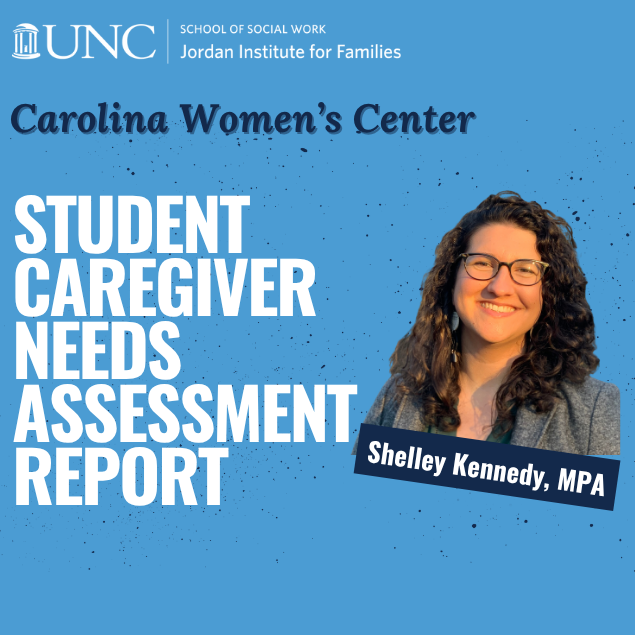
Tar Heel Caregivers: A Needs Assessment of Carolina Student Caregivers

UNC School of Social Work
325 Pittsboro Rd, Chapel Hill, NC

Copyright © 2026 The Jordan Institute for Families · UNC School of Social Work · All Rights Reserved · Website by Tomatillo Design