“Some of the most meaningful aspects of care cannot be captured in clinical outcomes or checklists. Often, the most powerful thing we can offer is our presence, our willingness to listen, and our commitment to honoring what matters most to patients and their families when it matters most.”
– Dr. Tamryn Fowler, UNC School of Nursing
NC Caregiving Research Network scholar, Dr. Tamryn Fowler, has a lovely new co-authored article out BMJ Supportive & Palliative Care. In the article, she and her colleagues share what they have learned about caring from their patients. We asked Dr. Fowler to share a little bit about this project and what she hopes readers will take from it.
You can read the full article here:
What was known?
- Patients and families are powerful teachers in serious illness.
- Lived experience complements traditional clinical knowledge.
What are the new findings?
- Lessons from bedside experience and scholarship are synthesized into practical guidance.
- Narrative reflection is presented as a tool for developing human-centered practice.
What is the significance?
- Encourages more intentional, humble, and relationship-centered care.
- Supports integrating experiential knowledge into clinician education and full scholarship.
- What prompted you and your colleagues to write this article? Throughout our careers, we have had the privilege of caring for patients and families during some of life’s most vulnerable moments, including when they receive the initial diagnosis, begin the first day of treatment, discuss that there are no remaining options for cure, as they face end of life, and all the moments in between. While our professional training has taught us how to provide care, our patients and families have taught us what it truly means to care and what it means to live. Through their wisdom, courage, and humanity, they have profoundly shaped us as clinicians and as people. This article honors those individuals by sharing the experiences and lessons that continue to influence how we approach serious illness, caregiving, grief, and human connection as clinicians.
- What do you most want readers to take from it? Some of the most meaningful aspects of care cannot be captured in clinical outcomes or checklists. Often, the most powerful thing we can offer is our presence, our willingness to listen, and our commitment to honoring what matters most to patients and their families when it matters most. One lesson that has stayed with me throughout my career is that caring does not always mean fixing. More often, it means being present, acknowledging suffering without judgment, and supporting patients and families as they define what is meaningful to them. I hope readers come away with the understanding that patients and caregivers are not simply recipients of care; they are also our teachers, partners, and experts in their own lived experiences. Early in my nursing career, I cared for a teenager who died after a prolonged course of cancer treatment. Shortly after her death, her mother asked that her daughter still be assigned a nurse that evening. That moment profoundly changed my understanding of caregiving, end-of-life care, and nursing. Her request was not about medical necessity. Rather, it was about love, dignity, and the need to know that her daughter still mattered. It reminded me that our responsibility to honor patients and families extends beyond what medicine can treat or cure.
- What are ways readers might act or impact systems based on what you learned? I hope this article encourages healthcare professionals, researchers, advocates, and leaders to create more opportunities for patients and family caregivers to be heard, respected, and meaningfully engaged in care. At the individual level, this begins with simple but powerful actions, including listening without rushing to respond, asking what matters most, honoring diverse expressions of grief and hope, and recognizing the impact of small acts of compassion. At the systems level, we can do more to embed patient and caregiver perspectives into healthcare delivery, professional education, research, and organizational decision-making. We should strive to create environments where compassionate, relationship-centered care is not viewed as an added value, but as an essential component of high-quality care.
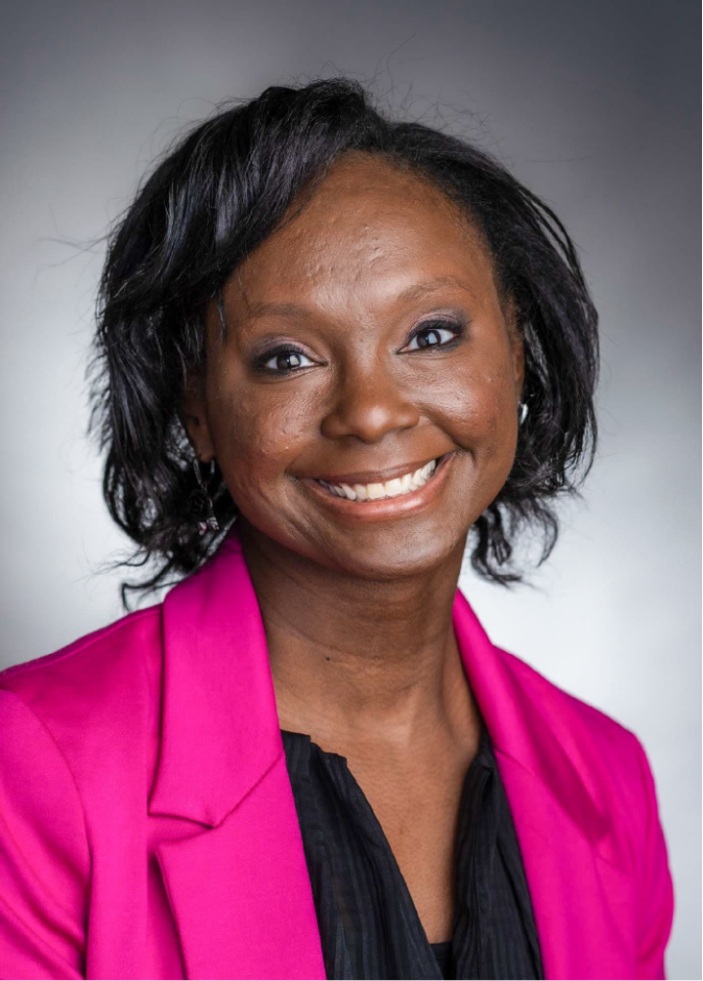
Dr. Tamryn Lashea Fowler is an Assistant Professor at the University of North Carolina at Chapel Hill School of Nursing and an Associate Member of the UNC Lineberger Comprehensive Cancer Center. She is an oncology and palliative care nurse scientist whose research focuses on improving the experiences and outcomes of adults and older adults and their family caregivers, with particular expertise in hematologic malignancies, hematopoietic stem cell transplantation (HSCT), and cellular therapies such as CAR-T. Read more about her work here.